• Junk News

    Avoiding the Pitfalls of DIY Junk Removal in London: When to Call in the Pros

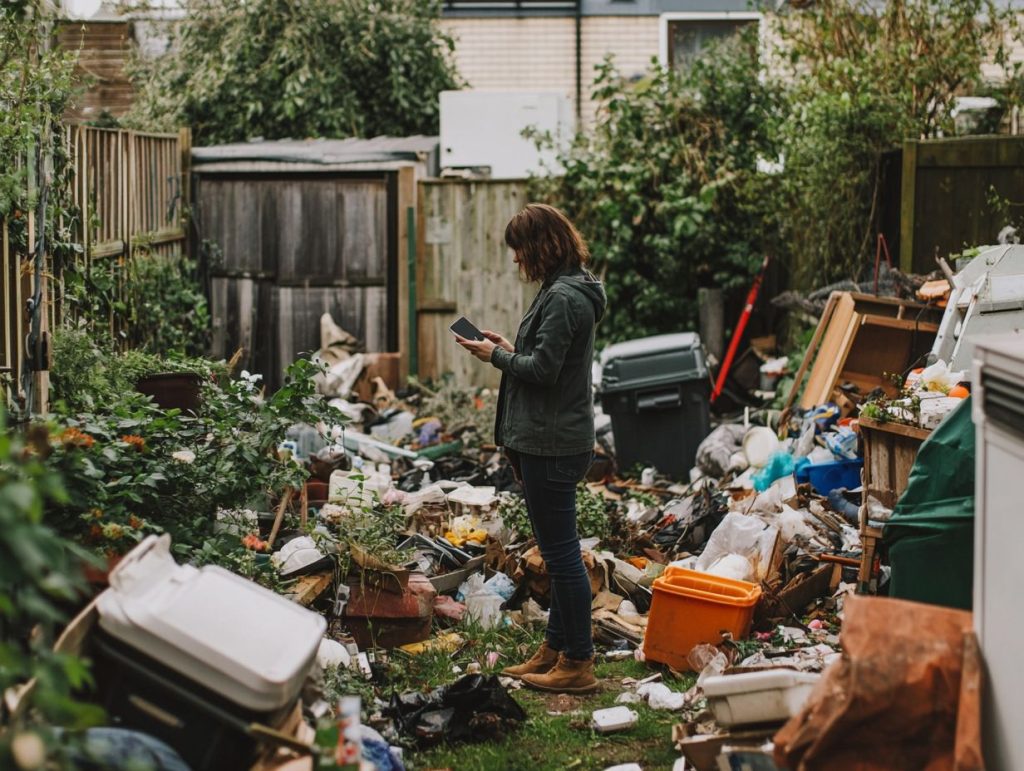
    Tackling junk removal on your own might seem like a cost-effective solution, but it comes with risks and challenges that can lead to accidents and inefficiencies. Consider this: You are probably not well acquainted with all rules and regulations regarding eco-friendly waste disposal; you might risk hurting yourself if you have to move oversized and heavy objects; and you will waste considerably more time on the job than a team of professionals.

    You can call a professional junk removal service instead and avoid the hassle. Read on for a more detailed look at all the disadvantages of tackling garbage disposal on your own.
    The Risks of DIY Junk Removal

    The Risks of DIY Junk Removal

    When you dive into DIY junk removal, it’s pretty easy to underestimate the risks involved, especially in a busy city like London, where clutter multiplies overnight.

    There are safety hazards to consider, such as heavy lifting and the improper disposal of hazardous materials. Additionally, you might encounter legal issues if you ignore local regulations.

    Attempting to manage every aspect of waste disposal can lead to expensive mistakes and environmental impacts that could affect your entire community.

    Potential Dangers and Hazards

    Engaging in DIY junk removal might seem like a great idea. Still, it can expose you to several potential dangers, especially regarding heavy lifting and dealing with hazardous materials.

    For example, you might underestimate how much strain improper lifting techniques can put on your back and joints. Did you know that about 1 in 5, people end up with back injuries while trying to move heavy items without the right support? You could also stumble upon old paint tins or batteries that contain harmful chemicals like lead or solvents. Without the right precautions, you might unintentionally expose yourself to some rather toxic substances.

    These risks highlight why it’s crucial to recognise and manage hazards, as they can completely derail your goal of achieving a tidy, clutter-free space.

    When to Call in Professional Junk Removal Services

    Knowing when to call in professional rubbish removal services can change the game for you. It makes managing your domestic clutter or commercial waste much more efficient and safe, especially in those urgent situations.

    In London, where space is limited, figuring out when to hire professionals can save you time and money and reduce the hassle associated with waste management.

    Situations that Require Expertise

    Some situations call for professionals regarding rubbish removal, especially if you’re dealing with hazardous waste or navigating local regulations like a professional.

    If you’ve ever tackled home renovations, you know how much debris can accumulate—think old insulation or lead paint chips, which can be serious health hazards if not handled correctly. During your seasonal cleaning, you might find unwanted items like batteries, chemicals, or electronic waste accumulating, requiring specialised disposal methods.

    Trying to manage these materials on your own can increase the safety risks and even lead to legal complications if things go wrong. That’s where licensed and insured experts come in. They ensure everything’s compliant with environmental regulations so you can clear out your space safely and avoid any liabilities related to hazardous waste management.

    Situations that Require Expertise

    Benefits of Hiring Professional Junk Removal Services

    Hiring professional junk removal services offers many benefits, such as convenience and efficiency. You can quickly transform your cluttered space into a clean and organised environment with minimal effort.

    In London, where time is often tight, relying on experienced service providers enhances your satisfaction and ensures that they manage disposal in an environmentally friendly manner.

    Convenience and Efficiency

    One of the best perks of professional rubbish removal services is their convenience and efficiency. They allow you to better manage your time while cutting down on operational costs.

    These services remove the stress of decluttering your space by tapping into their expert scheduling and time management skills. You can sit back and let their trained teams handle the heavy lifting and logistics of transporting those unwanted items. They ensure everything is disposed of correctly and sustainably.

    This means you can focus more on what matters—spending time with family, tackling work projects, or handling other important tasks—without that nagging rubbish taking up space in your home. Ultimately, by handing over these responsibilities to the professionals, you enjoy a cleaner environment and much more peace of mind.

    Proper Disposal and Recycling

    Professional junk removal services focus on proper disposal and recycling, ensuring your unwanted items are handled in an eco-friendly, environmentally considerate way.

    They use various methods, such as sorting items at local recycling centres, which helps them divert significant waste from landfills. These services often collaborate with local facilities to efficiently process recyclable materials such as metals, plastics, and electronic waste while adhering to strict environmental standards.

    Promoting sustainable practices not only assists your community in managing waste effectively but also raises awareness about responsible disposal. When you choose services that prioritise these eco-friendly methods, you’re supporting local economies and helping to create a healthier environment for future generations.

    Choosing the Right Junk Removal Company

    Choosing the right junk removal company is extremely important if you want to receive quality service and good value for your money. You should certainly pay attention to whether they’re licensed and look at customer reviews.

    Also, don’t forget to compare service quotes and consider how they manage inventory. It all contributes to a better experience for you!

    Factors to Consider

    When choosing a rubbish removal company, consider a few key things, such as its service area, costs, and whether it has qualified professionals on its team.

    This choice affects how smoothly the removal process goes and your overall peace of mind. It’s essential to check if they operate in your area since some companies focus only on specific regions or urban settings.

    Understanding their pricing structures helps you budget effectively, as costs can vary depending on how much rubbish you have or what services you need. Don’t forget hiring insured and qualified experts is essential—it ensures the company adheres to safety regulations and protects you from any potential issues down the line.

    Questions to Ask

    Asking the right questions can help you find the best rubbish removal company for your needs. You’ll want to investigate service guarantees, waste categories, and disposal methods.

    Start by checking if they have policies that ensure your satisfaction, such as whether they offer a service guarantee. It’s also crucial to ask how they manage different types of waste, including hazardous materials, electronics, and general waste, so that you can gauge their expertise and compliance with environmental regulations.

    Getting the lowdown on their disposal techniques and recycling efforts can tell you much about how committed they are to eco-friendly practices. By covering these important topics, you can make informed choices and select a service provider that aligns with your values and needs.

    Costs of Professional Junk Removal

    Understanding the costs of professional rubbish removal is key to making informed choices. You’ll want to consider rubbish removal pricing and disposal fees and determine what’s truly cost-effective for your situation.

    Understanding Pricing and Factors Affecting Cost

    Understanding the pricing of waste removal services means understanding the different factors that affect the cost, such as waste sorting, disposal methods, and the overall efficiency of the service.

    By breaking down these components, you can find great savings opportunities. For example, effective waste sorting makes the disposal process easier and reduces labour costs by speeding up organisation and loading times.

    Additionally, using eco-friendly disposal methods like recycling or donating usable items might lower those disposal fees. Evaluating these factors helps you make smarter and more budget-friendly choices, ensuring you get the best value for your money while doing your part for the environment.


  • Junk News

    Ten Handy Tips To Avoid Home Clutter – Give Away, Recycle, Remove

    Clutter can easily take over our homes, turning spaces that should be comforting into chaotic environments.

    Tackling this issue doesn’t have to be overwhelming. This article offers ten practical tips to help you declutter effectively and create a more organised living space.

    1. Establish a solid plan.
    2. Sort through your belongings.
    3. Utilise smart storage solutions.
    4. Digitise important documents.

    These strategies will give you the power to reclaim your home. Discover how to simplify your life and embrace a tidier, more functional space!

    The Importance of Decluttering

    Decluttering is a game changer that can transform your living space into a clean, organised home free from the stress of clutter. When you declutter, you’re not just tidying up; you’re creating a clutter-free environment that boosts your mental clarity and emotional well-being.

    Embracing minimalism helps you focus on what matters, simplifying life and enhancing the organisation of your home. Remember, the decluttering journey isn’t just about throwing out unwanted items; it’s about creating a peaceful, intentional space that reflects your values.

    Sort Through Your Belongings

    Tip #1: Start with a Plan

    Creating a successful decluttering strategy starts with a solid plan—it’s your roadmap to an organised and efficient living space. Begin by pinpointing the areas that need a little TLC and setting clear goals for each tidying session. This way, you can allocate your time effectively and boost your productivity. Throw in some organising tips; you’ll find it even easier to manage your space and keep the whole family organised.

    To make the process more structured, break tasks down into manageable sections. Focus on one room or category at a time. You might want to set specific timelines for each task—maybe dedicate one weekend to your bedroom and another to the garage. This approach makes everything feel less overwhelming and allows you to progress gradually without disrupting family life.

    Using checklists can be a game-changer to track what you’ve accomplished and what still needs attention. It’s a great way to celebrate your achievements as you move closer to your decluttering goals. Just remember, effective time management is crucial. Pick times when the household is quieter to dive into your cleaning routines, keeping the peace and harmony in your family organisation.

    Tip #2: Sort Through Your Belongings

    Sorting through your belongings is a critical step in the decluttering process. It helps you determine what to keep or discard while creating functional spaces in your home. Start by grouping your household items into categories such as essentials, sentimental pieces, and those unwanted items that no longer serve a purpose in your life. This approach helps you downsize and sets the stage for a more organised and efficient home.

    Strategies like the “keep, discard, donate” method can simplify things for you. Considerating your emotional attachment to each item is essential, as that can make decision-making a bit tricky. For those sentimental items, consider making a memory box or taking photographs to preserve the memories without cluttering your space. Some keepsakes are more valuable in memory than physical form, making it easier to let go of things that weigh you down.

    Involve your family members in the process; their perspectives can offer clarity and make the sentimental sorting feel less overwhelming.

    Tip #3: Utilise Storage Solutions

    To keep your space looking tidy, it is crucial to use effective storage solutions that help you optimise space and ensure everything is stored efficiently throughout your home.

    One of the best options available is modular shelving systems. They are customisable and stylish, adapting perfectly to any room’s dimensions while helping you say goodbye to unnecessary clutter.

    Do not underestimate the power of bins and baskets, especially when labelled. They make it easy to find what you need quickly, contributing to a smooth and visually appealing organisation system.

    Let us not forget about under-bed storage! It is a practical choice that maximises those often overlooked spaces for stashing seasonal clothing or extra linens. By incorporating these versatile storage solutions, you can tackle your clutter and elevate your home’s aesthetics, creating a serene and inviting atmosphere that truly reflects your personal style.

    Tip #4: Create a Cleaning Routine

    A consistent cleaning routine is key to keeping your space decluttered and organised. Think of tidying up as part of your daily habits. Design a tidying schedule with specific daily tasks and ensure family activities align with your cleaning goals. This proactive approach to time management not only lightens the load of cleaning but also fosters a sense of teamwork and responsibility among everyone in the household.

    Consider breaking your tasks into daily, weekly, and monthly segments to create an effective cleaning routine. For example, daily chores could include laundry or washing up, while weekly tasks might involve hoovering or scrubbing the bathroom. This way, everyone can pitch in according to their strengths. Monthly tasks can be dedicated to deep cleaning or organising specific areas, ensuring that nothing falls through the cracks over time.

    Encourage your family members to personalise their contributions by rotating responsibilities. This makes chores more engaging and helps everyone feel a sense of ownership in keeping the place tidy, leading to sustainable cleaning habits for the whole household.

    Donate or Recycle Unwanted Items

    Tip #5: Get Rid of Duplicates

    One effective strategy for tackling clutter is to identify and eliminate duplicates among your household items so that you can focus on quality over quantity. Look at your belongings and ask yourself if you need multiple items that serve the same purpose.

    Using the ‘keep or discard’ method, you can make smart decisions about what to keep, helping you create a more streamlined and reduced living space.

    This thorough assessment prompts you to evaluate your lifestyle needs, which can influence your decision-making process. Think about how often you use each item—are you constantly reaching for two similar kitchen gadgets, or are they just gathering dust? Keeping a list of your belongings can help you visualise which items add value and contribute to the clutter.

    By adopting a mindful approach, you can cultivate a sense of organisation and clarity, making it easier to keep only what truly enhances your environment.

    Tip #6: Donate or Recycle Unwanted Items

    After you’ve sorted through your belongings, it’s time to decide what to do with those unwanted items. Donating or recycling them benefits the environment and others in your community.

    Getting involved in this process doesn’t just clear out your space; it also helps you feel more connected to those around you. Many local charities make it easy with convenient drop-off points or even scheduled collection services, so you can donate clothes, furniture, and household items to people who need them.

    You can usually find recycling facilities through your city’s website or apps, which guide you on the best ways to dispose of things properly. By donating or recycling, you’re actively participating in eco-friendly practices that reduce landfill waste, support local economies, and help build a more sustainable community overall.

    Tip #7: Set Limits for New Purchases

    To keep your space decluttered, it’s crucial to set some boundaries around new purchases and embrace a mindset of minimalism and intentional living. Before you bring home that new item, consider whether it serves a purpose in your life and how it fits into your goals for managing clutter. Establishing limits and being mindful of your shopping habits can reduce waste and create a more organised environment.

    This reflective approach invites you to examine your needs and desires more closely. Instead of giving in to impulse buys spurred by marketing hype or fleeting trends, evaluating each potential purchase allows you to align more closely with your values.

    It can also help to incorporate some budgeting techniques. This way, you can prioritise your essential expenses over the non-essentials and reinforce the habit of intentional consumption. By thoughtfully curating what comes into your living space, you’re not just decluttering physically but also nurturing a healthier mental space supporting a simplified lifestyle.

    Tip #8: Digitise Paperwork and Photos

    Digital decluttering is your secret weapon for minimising physical clutter, especially when it comes to all that paperwork and those photos that seem to multiply overnight. By digitising these items, you can free up valuable space while keeping those important memories and documents safe.

    Take the time to organise your digital files efficiently. This will help you find what you need easily and contribute to a clutter-free living space.

    Switching to a digital format comes with various perks, such as searching for things quickly, effortlessly sharing files with friends or family, and protecting precious documents from physical damage. To maximise these benefits, you’ll want to set up a clear filing system that makes sense.

    Remember to use cloud storage tools and dedicated software to help you manage your space and back things up efficiently. Reviewing your digital files regularly is also an excellent way to prevent them from becoming chaotic over time.

    And if you’re looking for extra help, exploring resources like file organisation apps can be a game-changer for creating a tidy digital landscape. Ultimately, it’s all about finding that sweet spot between physical space and digital freedom, giving you a more serene living environment.

    Tip #9: Regularly Declutter and Reassess

    Regularly decluttering and reassessing your space is essential for keeping your home clean and organised. It helps you adapt to changing family dynamics and evolving needs. You might want to schedule seasonal cleaning sessions to check through your belongings and ensure you’re not letting clutter pile up over time.

    Having a consistent decluttering routine doesn’t just clear out physical clutter; it also boosts your mental clarity, making it easier to navigate daily life. Consider setting aside specific times each week to tackle those areas that tend to get messy, like worktops or cupboards.

    Take a moment to reflect on which items truly serve a purpose in your life. Emotional attachments to certain things can lead to unnecessary accumulation, so it’s crucial to approach this practice with a proactive mindset.

    Keeping your environment organised doesn’t just make it look better; it also demonstrates your commitment to a harmonious living space, allowing you to enjoy your home to the fullest.

    Tip #10: Seek Professional Help if Needed

    If you’re overwhelmed by clutter and don’t know where to begin, reaching out to a professional organiser can be a game changer for managing that mess. These experts can provide practical solutions tailored just for you, helping you deal with any emotional attachment to your belongings while making your home more efficient.

    Working with a professional can transform your space and make decluttering more manageable and enjoyable.

    With their extensive knowledge and experience, organisers understand that psychological barriers are often tied to clutter. They don’t just tackle the physical mess; they help restore emotional balance, too.

    When looking for the right professional, consider how they approach the organisation, their communication style, and whether their methods fit your vision.

    You can expect personalised consultations, actionable plans, and hands-on support as you team up to create a harmonious living space. In the end, having a neatly organised home can bring you peace of mind and significantly boost your quality of life, allowing you to focus on what truly matters.

  • Junk News

    Junk Removal Job Turned Into An Amazing Historical Discovery

    Hello, guys, my name is Colin Myers, and I run a local-based junk removal and waste disposal company in East London. Throughout the years, I’ve shared so many interesting stories with friends and colleagues that they finally convinced me to start a blog about them. I had a hard time choosing which episode to share first, but I think the story I am about to tell you embodies the unexpected nature of my work the best.

    The funny thing about waste removal is its dual nature. By necessity, it is related to the past – all the junk people have accumulated and never cared to throw away throughout the years. At the same time, it always looks to the future – people usually call me because they need the space for something else, plan to rent or sell their property, or move away.

    My story begins on a busy Wednesday afternoon last spring when I received a quote request from an address in Stepney. The potential customers were selling their 2nd-floor apartment at Coltman Street and needed their section of the basement space cleared for the new owners. They assured me there were no heavy-duty items, but with so many other tasks on their mind, the last thing they wanted to deal with was throwing out cobweb-covered boxes and junk.

    It was my favourite type of job – small-scale, easy, and quick. I was hoping to finish it in under one hour because I had a humongous job on Thursday and wanted to have the afternoon off. So I headed to Coltman Street in my minivan, expecting another ordinary clearing. Little did I know that I was about to stumble upon one of the most exciting finds in my career.

    I parked my van in front of the 3-storey, brick terraced house after double-checking the address. It was a quiet section of East London, less than a couple hundred yards away from St Dunstan’s. Before I had even come out of the van, the front door opened, and a cheerful woman in her mid-fifties waved me to come in.

    “Hello! My name is Julia, we spoke on the phone. You are five minutes early. Would you like a cup of tea before I show you the basement?”

    I politely responded that I am more of a coffee guy, which is technically correct. But the fact of the matter was that I didn’t want to waste any more time than necessary. Julia didn’t seem offended at all, and we immediately headed for the basement. She had been accurate in her description on the phone – there was nothing that required more than one person to lift. Two old kids’ bicycles, some decrepit home maintenance tools, an ancient-looking video (Gosh, did I miss those!), and maybe a dozen boxes. Under an hour?! I was going to clear this in fifteen minutes!

    I put my gloves on, grabbed my sack truck and went to work. My customer was a talker, which is fine by me – I love communicating with clients. It was a story I had heard before a hundred times. She and her husband had two kids who had gone to college and moved out, and they were suffering from empty-nest syndrome. So, instead of remaining in the now too-big apartment in Stepney, they were moving to a smaller, cosier cottage in rural Surrey.

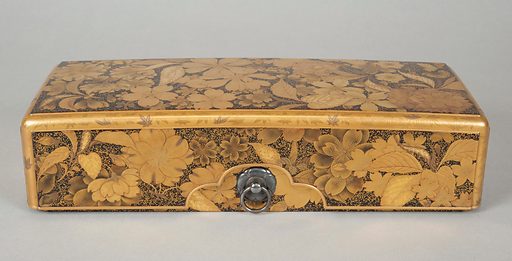
    The junk and boxes were already gone when I noticed something looking out of place. At first, I had thought it was another, older-looking card box, but when I cleared everything else, it turned out to be a small wooden box. However, its front was blackish, as if it had been in some fire before being pulled out at the last moment.

    Alice’s letter box after being renovated

    “Oh, that thing belonged to the previous owners. We never got to throw it out – somehow, it didn’t seem right. Maybe we thought they would realise they had left it behind and come looking for it. After a while, we just forgot about it.”

    I lifted the box, which proved surprisingly light. There was definitely nothing heavy in it, but the lock had survived whatever calamity it had faced. I always check the contents of such items because the owners might have forgotten something precious inside. Besides, the box provoked my curiosity, and I wanted to find out what was in it.

    I took my leave from Julia and headed for my good friend Bryan’s place. Bryan is the best locksmith in East London, and I knew he could open the box in seconds. “Look what the cat dragged!”, he welcomed me with his customary broad smile. “What did you find this time?”

    “You tell me”, I said and put the box on the counter.

    “Ha, I haven’t seen one of those in ages. My grandma used to own one – it is a box where ladies kept their jewellery and personal letters. It seems this one had a rough time. But the lock is very easy to open, give me a second.”

    It barely took even that. Bryan carefully opened the box, which at first seemed a total disappointment. A notebook that could only have been a personal diary and a patch of letters tied with a purple ribbon. But he opened the notebook, and after browsing through a couple of pages, he whistled loudly.

    “Lad, this is amazing. It is a personal diary from before the Second World War. The lady who owned it was named Alice, and the first entrance was from 1928 when she was twelve. You have to take this to an antiquarian or a historian, it is worth the effort!”

    Fortunately, I had the perfect guy for the job. My schoolmate George was a history buff and a walking encyclopaedia when it came to London. After a quick phone call and describing what I had found, we agreed to meet at The Old Ship – one of our favourite pubs on Barnes Street.

    George was hardly listening while I was telling him how I had found the box. He was utterly engrossed in the diary, occasionally mumbling something like “amazing” or “incredible”. He carefully untied the ribbon and began reading the letters. I could almost see the wheels furiously turning in his brain.

    “Tell me again, where exactly did you find the box?”

    I gave him the address, and he nodded absent-mindedly. “That’s what I thought. The last entrance in the diary is from October 6th, 1940. On October 9th, Stepney was particularly hard-hit during a raid – maybe a dozen bombs hit the area near St Dunstan’s. I believe the box owner, this Alice, might have been one of the casualties – hence the charring you see.”

    I stared at George with my mouth agape. “But it gets worse”, George continued. “The letters were from her fiance, who served in the Expeditionary Corps in France in the spring of 1940. The last letter, however, is from his mother, who encloses the telegram from the military, notifying her that her son had died while retreating towards Dunkirk.”

    I shook my head in disbelief. You never find such things during a junk removal job! I could not believe my luck and yet felt terribly sad for the tragic story of these two young people we owed so much without even knowing them.

    “So what do I do with this?”

    “You keep it for now”, said George. “I will get in touch with someone I know who works at the Imperial War Museum. They have a Blitz exposition, and I’m sure he will be more than excited to see this find.”

    And indeed, Alice’s letters ended up in the Museum after George and his friend checked her story. It was a fantastic feeling to show them to my kids, knowing I had found them. And it was supposed to be just a regular 30-minute job!